The Importance of Proper Aftercare
A successful hair transplant requires two critical components: the expertise of the surgical team and the patient’s commitment to post-procedure care. Once you leave the clinic, the survival of the transplanted grafts is largely in your hands.
The first two weeks are vital. The newly implanted hair follicles are delicate and have not yet established a secure blood supply. A single misstep in your routine can dislodge a graft and compromise your final density. This comprehensive guide outlines the essential aftercare timeline and practical advice to ensure optimal healing.
Days 1 to 3: The Critical Healing Window
During the first 72 hours, your primary focus should be resting and protecting the grafts from any physical contact.
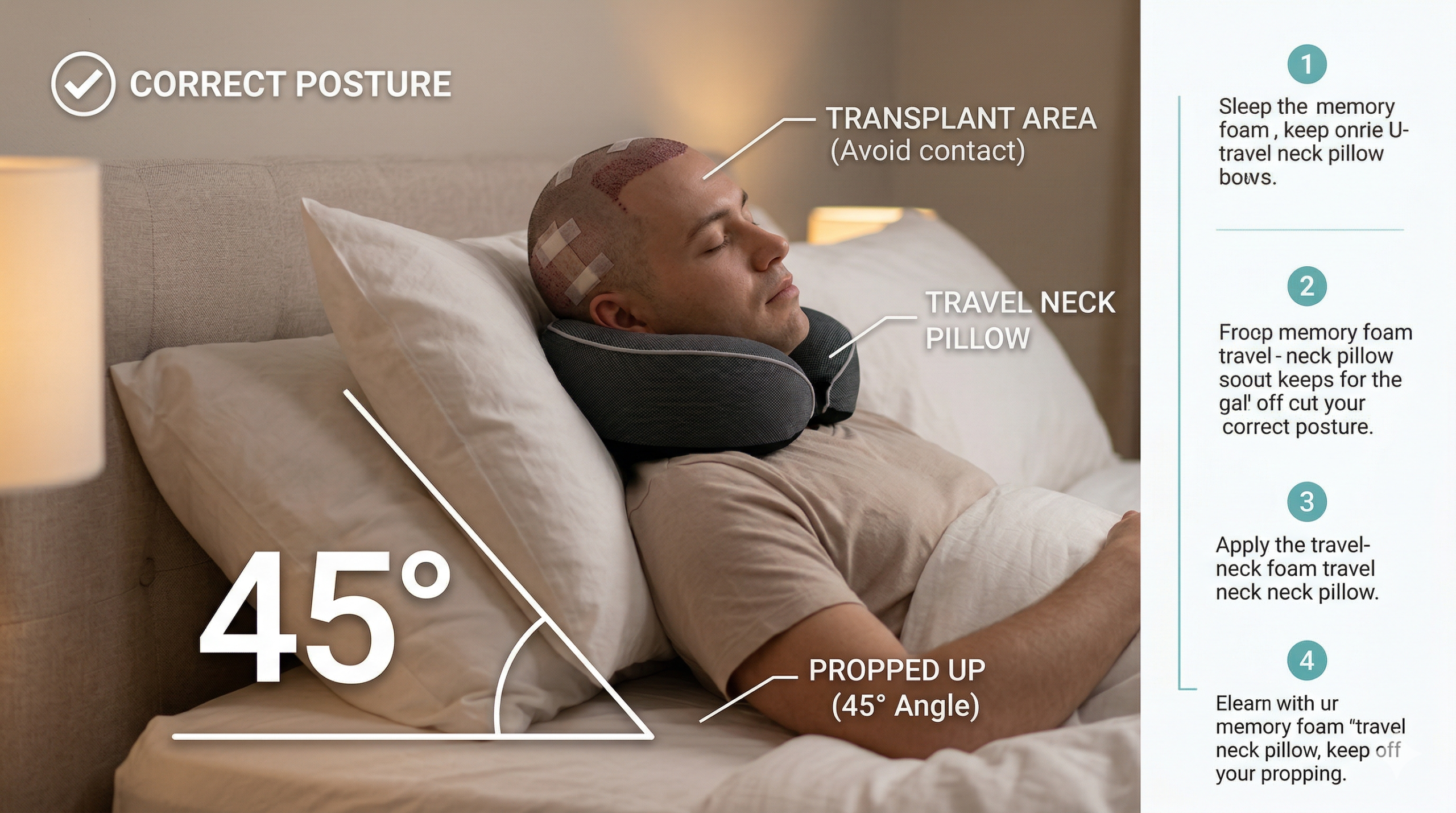
- Sleeping Position: You must sleep with your head elevated at a 45-degree angle using a travel neck pillow. This prevents the recipient area from touching the bed and minimizes post-operative facial swelling.
- Medication: Take all prescribed medications exactly as directed. This typically includes an antibiotic to prevent infection, a mild painkiller for discomfort, and anti-inflammatory drugs to reduce swelling.
- Hydration and Diet: Drink plenty of water and eat a nutritious, low-sodium diet to aid the healing process and flush medications from your system.
- Avoid Touching: Under no circumstances should you touch, scratch, or rub the transplanted area.
Days 4 to 10: The Washing Phase
Around day 3 or 4, you will begin the process of washing your scalp. This step is crucial for removing dried blood and scabs, allowing the scalp to breathe.
The Gentle Wash Technique
Your clinic will provide specific shampoos and lotions. The process generally involves:
- Lotion Application: Gently patting a moisturizing lotion onto the recipient area and leaving it for 30–45 minutes to soften the scabs.
- Rinsing: Rinsing the lotion off using lukewarm water with very low pressure (using a cup rather than a direct showerhead).
- Shampooing: Lathering the medical shampoo in your hands and gently patting (not rubbing) the suds onto the scalp.
- Drying: Letting the scalp air dry or using a paper towel to pat dry extremely gently. Never use a standard bath towel.
By day 10, with daily gentle washing, the scabs should fall off naturally. Do not pick at the scabs, as you risk pulling out the newly implanted follicles.
Weeks 2 to 4: Returning to Normalcy
By the second week, the grafts are permanently anchored in the scalp. You can transition back to your normal sleeping position and begin using your regular showerhead (on medium pressure).
- Physical Activity: You can resume light cardiovascular exercises (like walking or gentle cycling) after 2 weeks. However, avoid heavy weightlifting, contact sports, or activities that cause excessive sweating for at least 4 weeks to prevent strain and infection.
- Sun Exposure: The scalp remains highly sensitive. Direct, prolonged sun exposure can damage the healing skin and cause hyperpigmentation. Wear a loose-fitting clinic-approved hat if you must go outside.
Months 1 to 3: Managing Shock Loss
As mentioned in the results timeline, your newly transplanted hair will begin to shed during this period. This is the normal “shock loss” phase.
- Scalp Care: You can now return to your normal shampoo and hair care routine. Gentle scalp massages can help stimulate blood flow to the dormant follicles.
- Haircuts: You can safely get a haircut using scissors after 1 month. Avoid using clippers or razors on the recipient area for at least 3 months to prevent damage to the new growth.
Long-Term Care and Maintenance
To protect your investment and maintain a healthy environment for your new hair, consider incorporating long-term strategies:
- Medical Management: If prescribed by your doctor, continue using medications like Finasteride or Minoxidil to prevent the loss of your native hair. A hair transplant does not stop the genetic progression of hair loss.
- PRP Therapy: Platelet-Rich Plasma injections can provide a powerful boost to follicular health, accelerating growth and improving hair thickness.
- Healthy Lifestyle: Stress management, a protein-rich diet, and avoiding smoking remain cornerstones of long-term hair health.
Conclusion
Your hair transplant recovery is a partnership between you and your clinic. By strictly following the aftercare protocols, being gentle during the washing phase, and protecting your scalp from trauma and sun exposure, you pave the way for a flawless, natural-looking result. If you ever have doubts during your recovery, always reach out to your clinical team for guidance.